 Image 1 of 1
Forgiveness is often misunderstood as forgetting, excusing harm, or forcing emotional closure. In reality, forgiveness is a structured psychological process that supports emotional healing, boundary restoration, and personal growth — without minimizing pain or bypassing accountability.
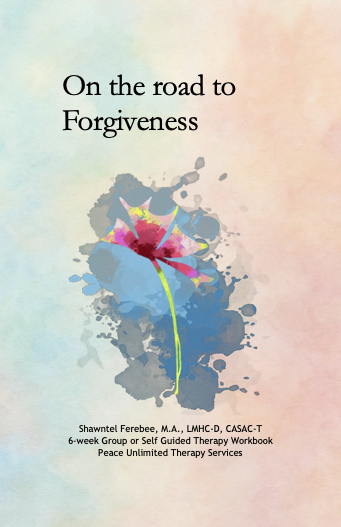
The Forgiveness Journey is a clinically informed workbook designed to guide readers through the emotional, cognitive, and behavioral stages of forgiveness at a safe, self-directed pace. Grounded in evidence-based therapeutic principles, this workbook helps individuals explore unresolved anger, shame, guilt, resentment, and self-blame while building skills for emotional regulation, self-compassion, and empowered decision-making.
Through psychoeducation, reflective exercises, group-compatible activities, and practical tools, readers are guided through key phases of forgiveness, including uncovering emotional wounds, making intentional choices, processing emotions, setting boundaries, rebuilding trust, and cultivating hope. Special attention is given to self-forgiveness, acceptance, and releasing self-punishment — areas that are often central to long-term emotional distress.
This workbook is trauma-informed, client-centered, and designed for use in:
Therapy groups
Individual counseling
Self-guided personal growth
Psychoeducational or wellness programs
Readers will learn how to:
Understand the emotional costs of unforgiveness
Separate forgiveness from reconciliation
Work through anger, shame, and resentment safely
Practice cognitive reframing and self-compassion
Set boundaries without guilt
Develop realistic, healing-focused goals
Rebuild confidence and emotional resilience
The Forgiveness Journey does not rush healing or promote forced forgiveness. Instead, it provides a structured framework that honors personal readiness, emotional safety, and accountability — supporting sustainable emotional change and long-term psychological wellbeing.
Whether used independently or alongside therapeutic support, this workbook offers a compassionate, clinically sound path toward healing, clarity, and inner peace.
Forgiveness is often misunderstood as forgetting, excusing harm, or forcing emotional closure. In reality, forgiveness is a structured psychological process that supports emotional healing, boundary restoration, and personal growth — without minimizing pain or bypassing accountability.
The Forgiveness Journey is a clinically informed workbook designed to guide readers through the emotional, cognitive, and behavioral stages of forgiveness at a safe, self-directed pace. Grounded in evidence-based therapeutic principles, this workbook helps individuals explore unresolved anger, shame, guilt, resentment, and self-blame while building skills for emotional regulation, self-compassion, and empowered decision-making.
Through psychoeducation, reflective exercises, group-compatible activities, and practical tools, readers are guided through key phases of forgiveness, including uncovering emotional wounds, making intentional choices, processing emotions, setting boundaries, rebuilding trust, and cultivating hope. Special attention is given to self-forgiveness, acceptance, and releasing self-punishment — areas that are often central to long-term emotional distress.
This workbook is trauma-informed, client-centered, and designed for use in:
Therapy groups
Individual counseling
Self-guided personal growth
Psychoeducational or wellness programs
Readers will learn how to:
Understand the emotional costs of unforgiveness
Separate forgiveness from reconciliation
Work through anger, shame, and resentment safely
Practice cognitive reframing and self-compassion
Set boundaries without guilt
Develop realistic, healing-focused goals
Rebuild confidence and emotional resilience
The Forgiveness Journey does not rush healing or promote forced forgiveness. Instead, it provides a structured framework that honors personal readiness, emotional safety, and accountability — supporting sustainable emotional change and long-term psychological wellbeing.
Whether used independently or alongside therapeutic support, this workbook offers a compassionate, clinically sound path toward healing, clarity, and inner peace.